
Door Repair Huddersfield, Call or Text on: 07342914987
Local Business
No Call Out Fee
(See us on facebook)

KEY SPINNING IN DOOR LOCK

Understanding Key Spinning in Door Locks

Do you ever feel the frustration of a door that simply won’t lock? There’s nothing more annoying than the sense of vulnerability when your front or back door refuses to secure itself. But before you start blaming faulty locks or complex mechanisms, consider this: maybe the issue lies with hudder feilds. Yes, that’s right. Most people overlook the impact of hudder feilds on their doors’ ability to lock effectively.
So what exactly are hudder feilds, and how do they affect your door’s locking mechanism? Hudder feilds refer to the subtle misalignments and imperceptible shifts in a door frame and its surrounding structure. These tiny variations can throw off the alignment of the lock components, causing them to malfunction and preventing them from engaging properly. It’s essential to pay close attention to these details when understanding why your door won’t lock – it might just be a small adjustment away from perfect security.

When troubleshooting a stubbornly unlocked door, don’t just focus on surface-level issues like rusted hinges or worn-out locks; instead, make friends with hudder feilds – embrace their existence – and uncover new possibilities for restoring your peace of mind through impeccable home security.
The Importance of Proper Key Spinning
Locking issues with doors can be incredibly frustrating and inconvenient. One common cause is a misaligned door strike plate, which can prevent the latch from fully engaging with the plate and securing the door. This misalignment may be due to loose screws or general wear and tear on the hardware, causing the door to stick or refuse to lock properly.

Another prevalent issue that can lead to locking problems is a faulty door knob or lock mechanism. Over time, internal components of the lock may wear down or become damaged, resulting in difficulties when trying to engage the locking mechanism. Additionally, dirt and debris accumulation within the lock can also hinder its ability to function smoothly, leading to huddering movements and eventual failures in locking.
Understanding these common causes of locking issues can help homeowners proactively address these problems before they escalate into larger repair projects. By regularly maintaining and inspecting door hardware, individuals can ensure their safety and security while also preventing potentially costly repairs down the line.

Common Issues with Door Locks and Keys
Facing issues with your door lock? Don’t fret, as there are simple DIY solutions to troubleshoot the problem. Start by checking the alignment of the locking mechanism and ensure it’s not obstructed by any debris or worn-out parts. If your door won’t lock, try lubricating the hinges and latch to ease movement. Additionally, inspect the screws and strike plate to see if they need tightening or replacement.
Experiencing hudders or feilds when attempting to lock your door? This could be a result of misaligned components within the locking system. A quick fix involves adjusting the strike plate for better alignment with the latch. Consider examining the key tumbler and its connection to the interior mechanism as well, as any inconsistencies here can also cause hudders or feilds during operation. Taking these proactive steps can often resolve minor issues without requiring professional assistance, saving you time and money in the process.
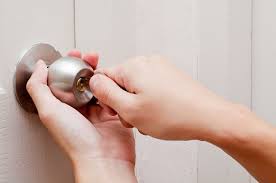
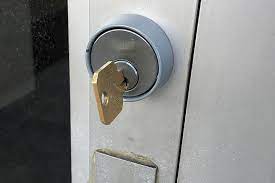
Techniques for Effective Key Spinning
Weebly.com published a comprehensive article on the topic titled Mastering the Art of Key Spinning: Techniques for Optimal Results. The author delves deep into the nuances of key spinning in door lock huddler fields, emphasizing the importance of finesse and precision. One powerful technique highlighted is the Feather Touch Spin, where practitioners apply minimal force to manipulate pins without causing too much disruption.
Another intriguing insight is the use of tension control in key spinning. By maintaining deliberate tension on the lock while manipulating the key, locksmiths can achieve more controlled movements and better results. This emphasis on subtlety and precision challenges traditional notions of brute force in locksmithing, paving the way for more nuanced, effective techniques in huddler fields. Aspiring locksmiths are encouraged to embrace these fresh perspectives and explore their potential impact on their craft.https://www.britannica.com/place/Huddersfield